November 5, 2026
When it comes to maintaining the aesthetic and operational efficiency of commercial buildings, the condition of storefront glass plays a crucial role. Not only does it contribute to the overall appearance of the property, but it also influences energy efficiency, security, and indoor comfort. Regularly examining and maintaining storefront glass can prevent underlying issues from escalating into costly repairs or replacements. In this article, we will explore the critical warning signs that indicate the need for immediate glass repair or replacement and highlight the importance of keeping your commercial building’s windows in top shape.
1. How can I tell if my storefront glass needs repair?
Visible cracks or chips
Visible cracks or chips in storefront glass are more than just aesthetic issues; they are red flags for potential safety hazards. These imperfections can compromise the integrity of the glass, increasing the risk of shattering. Damaged glass can detract from your building's curb appeal and may influence the perception of your business by suggesting neglect. Not addressing such damage promptly might lead to more severe problems that can be inconvenient and expensive to fix.
Drafts near window frames
If you notice drafts near window frames, it’s a clear indication that the seals around the storefront glass might be failing. Drafts signify gaps or weaknesses in the window sealant, which can lead to thermal inefficiency. Uncontrolled air movements can result in increased energy consumption as your HVAC system works harder to maintain desired indoor temperatures. Addressing sealing issues promptly can help in conserving energy and maintaining comfort within the building.
Condensation between panes
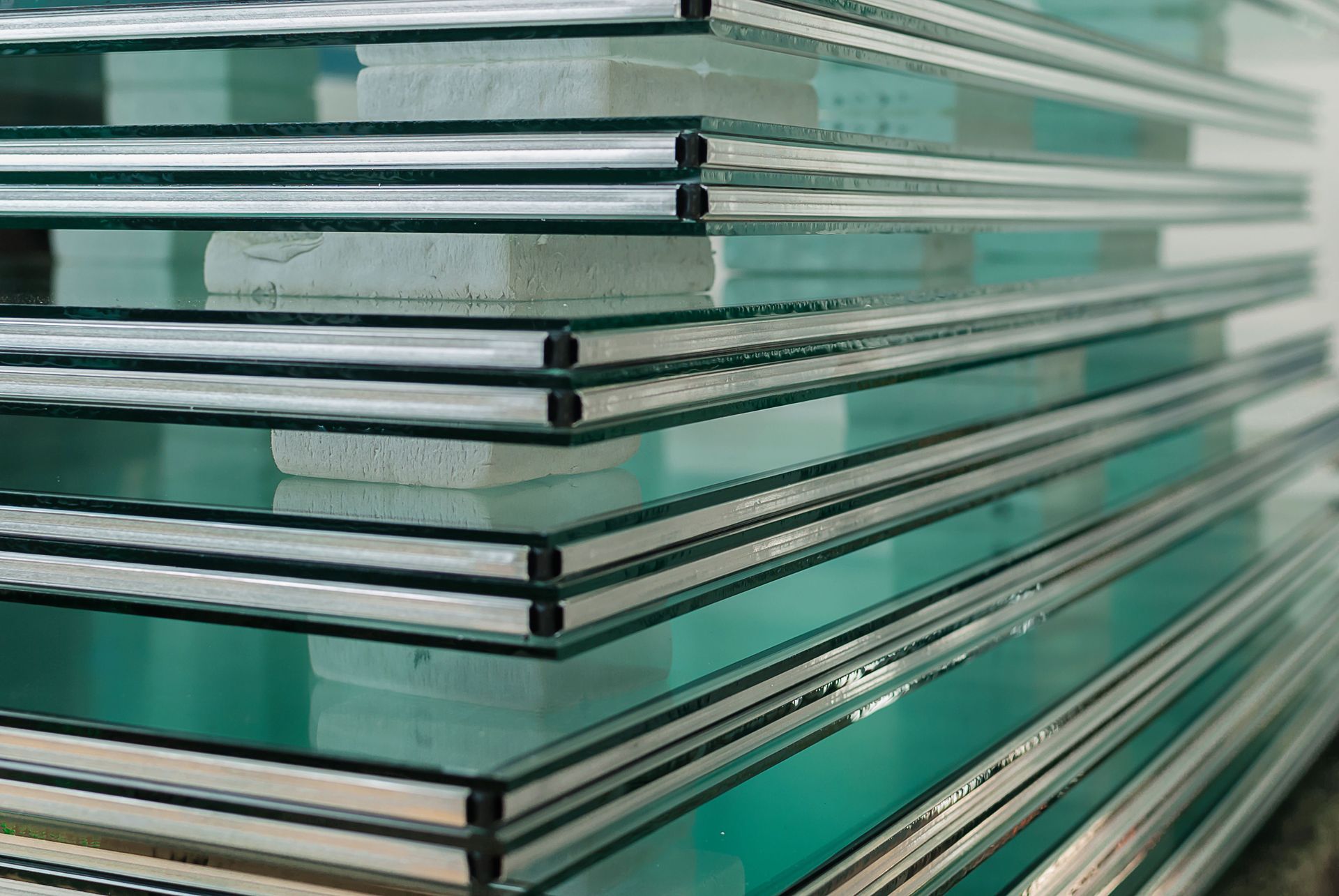
Condensation between the panes of storefront glass points to a failure in the insulating glass unit (IGU). When this occurs, it usually means the seals that protect the air space between two panes have been compromised. This reduces the window's effectiveness in providing insulation, allowing outside weather to influence the interior environment. The loss of insulation performance can lead to higher energy costs and a less comfortable interior environment.
Difficulty opening or closing windows
Operational problems such as difficulty in opening or closing windows often indicate underlying structural issues with the storefront glass or window frame. These challenges can arise from warping, swelling due to moisture, or tracks obstructed by debris. Ensuring that windows operate smoothly is necessary for security and efficiency. Ignoring these issues may render emergency exits unusable and can lead to further damage or even break-ins, thereby impacting safety and functionality.
2. What are the risks of ignoring damaged storefront glass?
Increased energy costs
Damaged storefront glass can cause significant fluctuations in indoor climate, leading to increased energy usage as systems compensate for the inefficiency. According to Magic Window, tempered glass offers four to five times the structural strength of standard glass when comparing panes of identical thickness, making it a reliable choice for durable thermal control. Older or damaged glass can cause energy bills to skyrocket, particularly in extreme weather conditions, thus emphasizing the importance of addressing glass integrity.
Compromised security
The security of a commercial building is often as strong as its weakest point. Damaged storefront glass can become an entry point for potential intruders. Cracks and chips can make it easier for the glass to break under pressure, reducing the time needed for unauthorized access. Investing in timely repair or upgrading to stronger materials like tempered or laminated glass can significantly enhance the building’s security posture.
Decreased aesthetic appeal
First impressions matter greatly in any business, and the storefront glass forms a significant part of that first glance. Damaged glass can tarnish a building’s aesthetic appeal and send a negative message to clients and customers. It can suggest neglect or financial instability, which could affect customer perceptions and potentially jeopardize business relationships. Maintaining attractive and intact storefront glass enhances the professionalism and appeal of a commercial premises.
Escalation of damage
Ignoring minor damages in storefront glass can lead to more extensive and costly repairs down the line. A small crack can quickly evolve into larger splits, particularly with exposure to daily thermal stresses and weather changes. Proactively addressing and repairing glass damage early can prevent extensive restorations that disrupt business operations and incur higher costs.
3. How often should storefront glass be inspected?
Recommended inspection frequency
Commercial buildings should have storefront glass inspected at least twice a year. Regular inspections help in identifying and rectifying problems before they worsen. Seasonal changes can affect the glass and its installations, and bi-annual checks accommodate for any resulting impacts, ensuring both structural integrity and energy efficiency are maintained.
Signs to look out for during inspections
During inspections, look for signs such as cracks, chips, discoloration, excessive condensation, and loose seals. These indicators suggest varying degrees of damage. Even subtle changes can herald more significant problems, and catching them early can save considerable time and expense.
Professional vs DIY inspections
While some business owners may attempt to conduct DIY inspections to save on costs, there are benefits to using professional inspectors. Professionals bring experience and a trained eye to spot issues that are easily overlooked. They can provide a comprehensive assessment of the glass and offer expert advice on repair or replacement options. However, if budget constraints are a concern, adopting a DIY approach for surface checks, combined with periodic professional assessments, can be beneficial.
The role of preventive maintenance
Preventive maintenance, such as regular cleaning and occasional re-sealing, plays a pivotal role in extending the life of storefront glass. Engaging in a routine maintenance schedule can not only delay the need for major repairs but can also enhance the durability and functionality of the windows, contributing significantly to energy efficiency and building security.
4. What are the latest advancements in storefront glass technology?
Energy-efficient glass options
Recent advancements in glass technology have produced energy-efficient options that provide superior thermal control compared to traditional glass. Low-E (low-emissivity) coatings and double or triple glazing are excellent ways to improve building efficiency, reducing heating and cooling costs while contributing to overall environmental sustainability.
Impact-resistant glass
Impact-resistant glass options such as tempered or laminated glass are becoming more prevalent in storefront installations due to their added safety benefits. These types of glass are designed to withstand stronger impacts, reducing the risk of shattering into harmful shards. With advancements, such materials provide peace of mind for building owners who prioritize both security and durability.
Smart glass technology
Smart glass technology allows for adjustable transparency and tinting, providing flexibility in light control and privacy management. It adapts to changes in brightness and heat, offering customized advantages for different spaces throughout the day. Such technology not only enhances comfort and energy efficiency but can also elevate the modernity and appeal of a business’s exterior design.
Eco-friendly materials
As sustainability becomes a priority, using eco-friendly materials in storefront glass is gaining traction. The focus on using recycled materials and reducing carbon emissions throughout the production process aligns with global efforts to promote environmental responsibility. This emphasis on sustainability not only aids in conservation efforts but also enhances a business’s credentials in being socially responsible.
Maintaining the integrity of a commercial building’s storefront glass is essential for both functional efficiency and overall aesthetics. Timely identification and repair of potential issues can prevent energy inefficiencies, ensure security, and maintain a positive image for businesses. As technologies advance, embracing new solutions can further enhance performance and sustainability. Therefore, regular inspections coupled with proper maintenance and technology adoption can secure a competitive edge in today’s business environments. Reach out to Espin Glass, LLC today to see how we can help you!