January 21, 2026
Discover how sliding shower doors can transform small bathrooms by saving space, enhancing visual appeal, and improving overall functionality without sacrificing design quality. In compact bathrooms, every square inch matters, and choosing the right enclosure can significantly influence comfort and usability. This article explores the advantages, style options, materials, installation factors, maintenance practices, and long-term value associated with sliding shower doors in small bathroom environments.
Benefits of Space-Efficient Shower Enclosures
Sliding shower doors are especially effective in small bathrooms because they eliminate the need for outward door clearance. Unlike hinged options that require swing space, these systems operate on horizontal tracks, allowing homeowners to maximize usable floor area. This efficient layout makes it easier to incorporate storage solutions such as shelving, vanities, or linen cabinets without crowding the room. As a result, small bathrooms can feel more organized and functional while maintaining a clean layout.
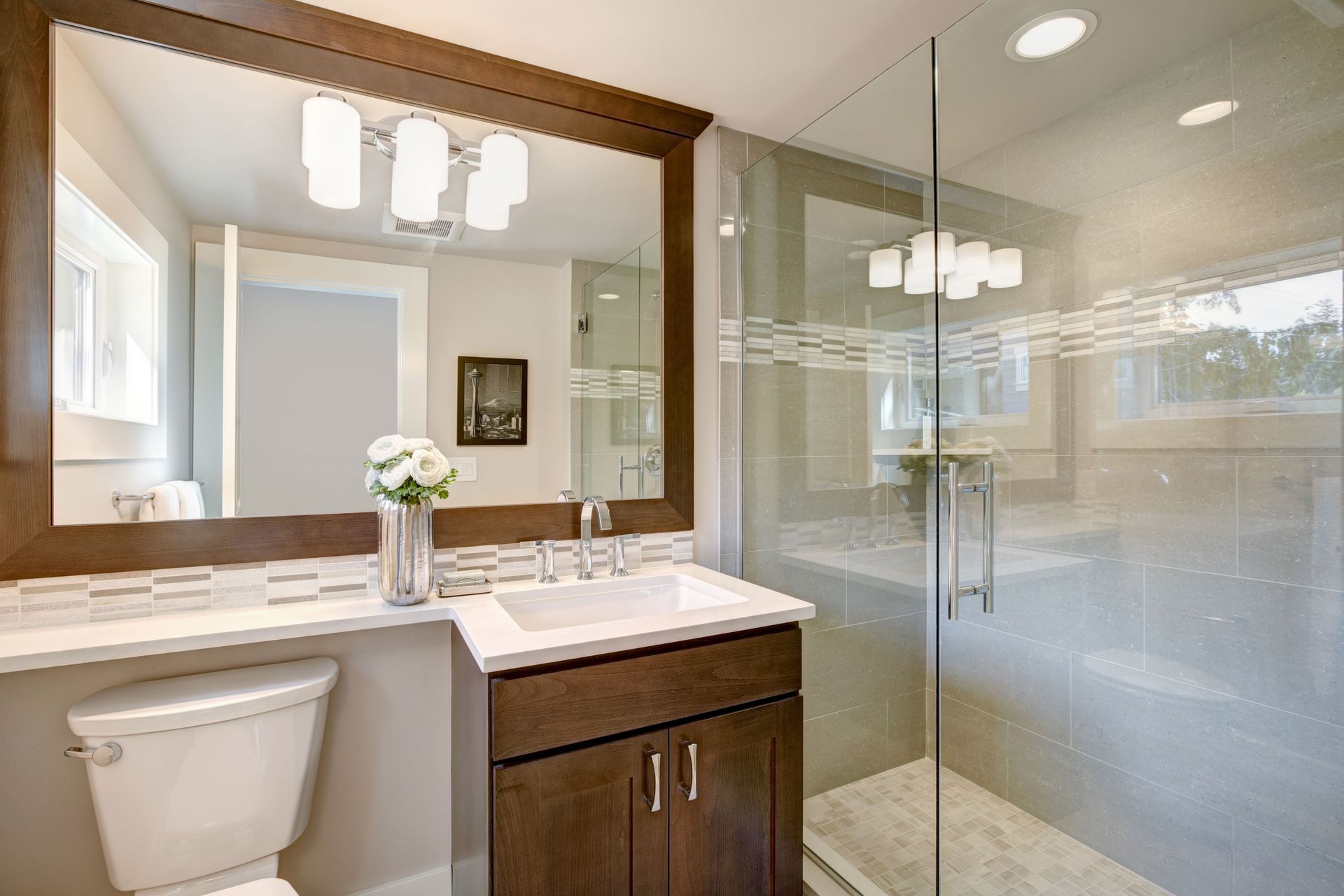
Another advantage lies in their visual impact. Glass-based enclosures create an open feel that reduces visual barriers, making confined spaces appear larger. Clear panels allow light to move freely throughout the room, minimizing shadows and visual clutter. This openness contributes to a modern, streamlined aesthetic that works well in contemporary and transitional bathroom designs alike.
Comfort and accessibility also play an important role in enclosure selection. Sliding systems provide smooth, controlled operation that simplifies entry and exit. This feature can be particularly beneficial for households with children, older adults, or individuals with mobility limitations. Additionally, the absence of swinging panels reduces the likelihood of accidental impact or obstruction, enhancing overall safety in tight bathroom layouts.
Design Styles Suitable for Small Bathrooms
Frameless designs are among the most popular options for compact bathrooms due to their minimalist appearance. Without bulky framing, the glass panels appear almost seamless, which helps visually expand the space. These designs rely on thicker glass and precise installation, offering a refined, upscale look that many homeowners prefer despite the higher cost.
Semi-frameless alternatives provide a balance between visual openness and structural support. With discreet framing along select edges, these options maintain stability while preserving a sleek appearance. They are often more budget-friendly than fully frameless models and still deliver a clean, contemporary aesthetic suitable for smaller spaces.
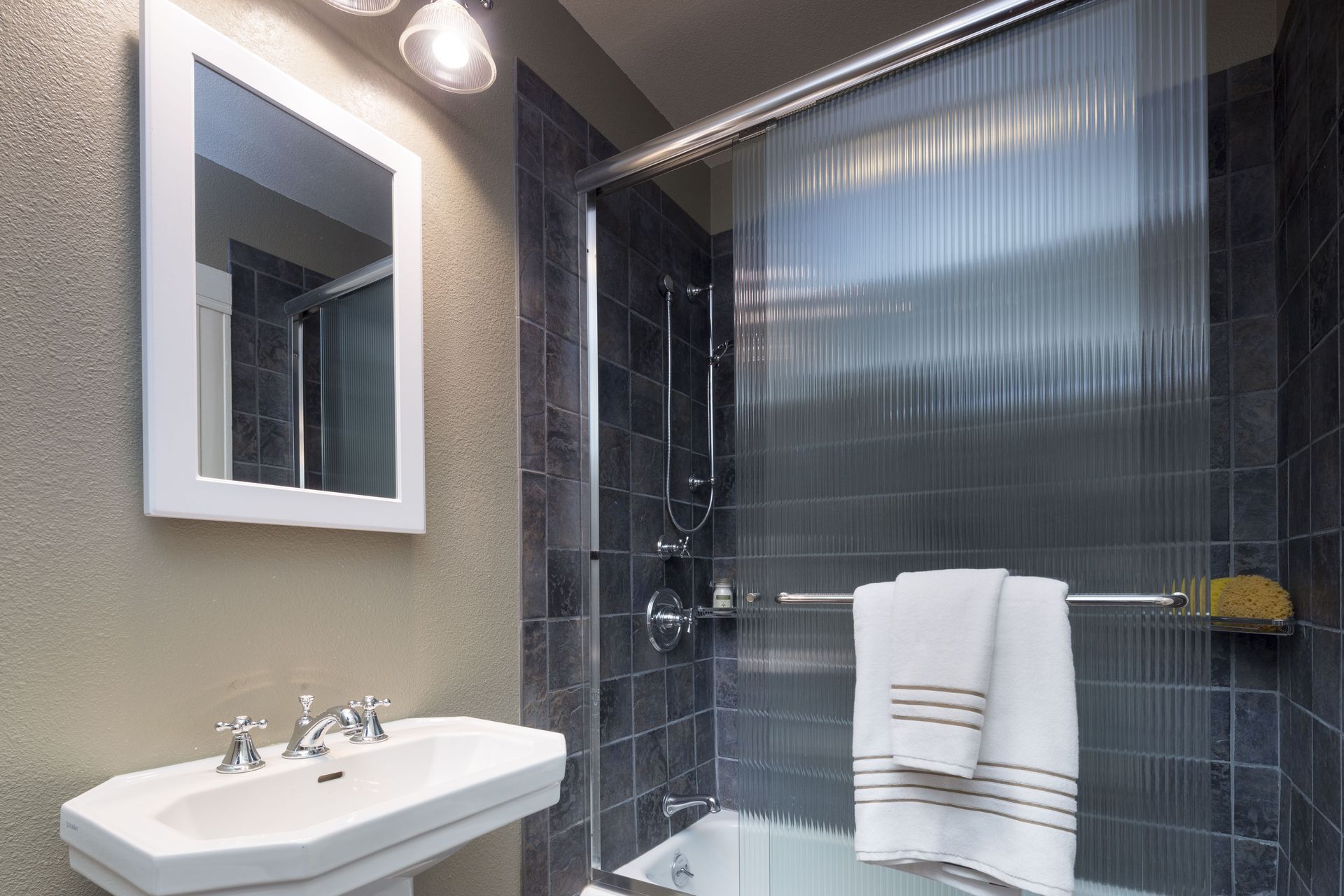
Bypass configurations are another practical solution, featuring overlapping panels that slide past one another. This style allows access from either side and works particularly well in narrow bathrooms. Because the panels remain within the enclosure footprint, bypass systems are ideal where space efficiency is a top priority.
Materials and Build Quality Considerations
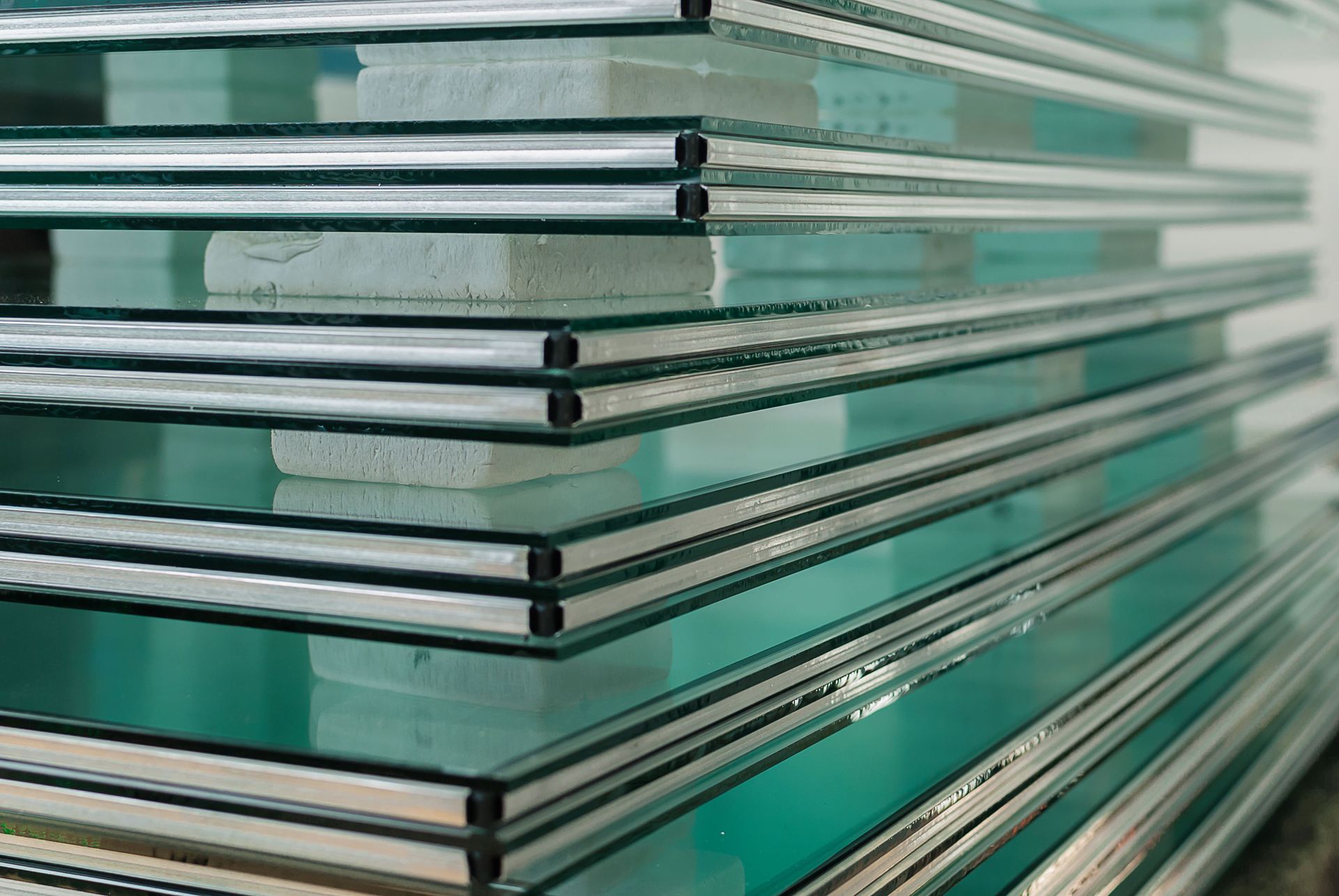
The materials used in shower enclosures have a direct impact on durability, safety, and appearance. Tempered glass is the preferred choice due to its strength and safety properties, as it is designed to break into small, less harmful pieces if damaged. Thicker glass panels tend to feel sturdier and provide a more premium visual presence, which can enhance the overall bathroom experience. According to the International Association of Certified Home Inspectors, any glass pane within 36 inches horizontally from a walking surface must meet safety criteria.
Frame materials vary based on design and budget preferences. Aluminum frames are lightweight and corrosion-resistant, making them a common choice for modern bathrooms. Stainless steel offers superior strength and durability but often comes at a higher price point. Vinyl framing, while less common in upscale designs, provides a cost-effective and moisture-resistant alternative.
Hardware quality is equally important. Smooth-gliding rollers, secure handles, and reliable seals contribute to both performance and longevity. Well-designed components reduce noise, prevent misalignment, and minimize water leakage. Selecting high-quality hardware ensures consistent operation and helps avoid premature wear or maintenance issues.
Installation Planning and Key Considerations
Installation requires careful planning to achieve proper fit and reliable performance. While some homeowners choose a do-it-yourself approach, professional installation often ensures better results, particularly when dealing with glass alignment and waterproofing. Improper installation can lead to leaks, operational issues, or long-term damage that outweighs initial cost savings.
Accurate measurements are critical before selecting an enclosure. Walls and floors should be checked for level and plumb, as even minor inconsistencies can affect door alignment. Planning also involves determining panel configuration, entry direction, and hardware placement to ensure smooth operation within the available space.
Whether installed professionally or independently, using the correct tools is essential. Measuring devices, levels, drills, sealants, and mounting hardware must all be appropriate for glass and tile surfaces. Final inspections after installation help confirm proper sealing, smooth movement, and overall stability.
Maintenance Practices for Long-Term Performance
Regular cleaning is key to maintaining clarity and appearance. Soap residue and hard water deposits can accumulate on glass surfaces if not addressed consistently. Using non-abrasive cleaners and wiping down panels after use helps preserve transparency and prevent staining over time.
Hardware maintenance is equally important. Tracks and rollers should be inspected periodically to ensure smooth operation. Applying silicone-based lubricant to moving parts can reduce friction and extend component life. Tightening loose fasteners early helps prevent more significant issues from developing.
Managing moisture exposure helps protect both the enclosure and surrounding bathroom surfaces. Using a squeegee after each shower reduces mineral buildup, while inspecting seals and caulking prevents leaks that could lead to water damage or mold growth.
Cost Considerations and Long-Term Value
While the upfront cost of sliding shower doors may be higher than some traditional alternatives, the long-term value often justifies the investment. Reduced maintenance needs, durable materials, and efficient space utilization contribute to lasting performance and fewer replacement expenses over time.
Energy efficiency can also be an indirect benefit. Well-fitted enclosures help retain heat within the shower area, reducing heat loss and improving comfort. Choosing environmentally responsible materials further supports sustainability goals while potentially lowering long-term costs.
Bathroom upgrades consistently rank among the most valuable home improvements. Modern enclosures enhance visual appeal and functionality, which can positively influence resale value. Thoughtful design choices aligned with current trends increase buyer interest and overall marketability.
Safety and Accessibility Advantages
Safety is an important consideration in small bathrooms, where limited space can increase the risk of slips or accidental impacts. Sliding shower doors help reduce these concerns by eliminating outward-swinging panels that can obstruct walkways or collide with fixtures. Their guided track systems provide controlled movement, which supports safer daily use in tighter environments.
Accessibility is another key benefit. Wide openings created by sliding panels can make entry and exit easier compared to hinged doors that restrict movement. This feature supports aging-in-place goals and improves usability for individuals with varying mobility levels. When paired with textured flooring or grab bars, sliding enclosures contribute to a safer and more inclusive bathroom design.
Customization Options for Personalized Spaces
Sliding shower doors offer a wide range of customization opportunities that allow homeowners to tailor the enclosure to their specific space and style preferences. Glass finishes can include clear, frosted, patterned, or tinted options, each influencing privacy levels and light flow. Hardware finishes such as chrome, brushed nickel, or matte black further enhance coordination with existing fixtures.
Customization also extends to sizing and configuration. Many systems can be adapted to fit non-standard openings, corner layouts, or recessed shower areas commonly found in small bathrooms. These tailored solutions ensure optimal performance and visual harmony, allowing homeowners to achieve a personalized result without compromising space efficiency or functionality.
Sliding shower doors provide a practical and stylish solution for maximizing space in small bathrooms. Their versatility, durability, and visual appeal make them well suited for compact layouts where efficiency matters most. By understanding design options, material choices, installation requirements, and maintenance needs, homeowners can make informed decisions that deliver long-lasting comfort and value. Contact our team at Espin Glass, LLC today and learn more about our shower services.