February 27, 2026
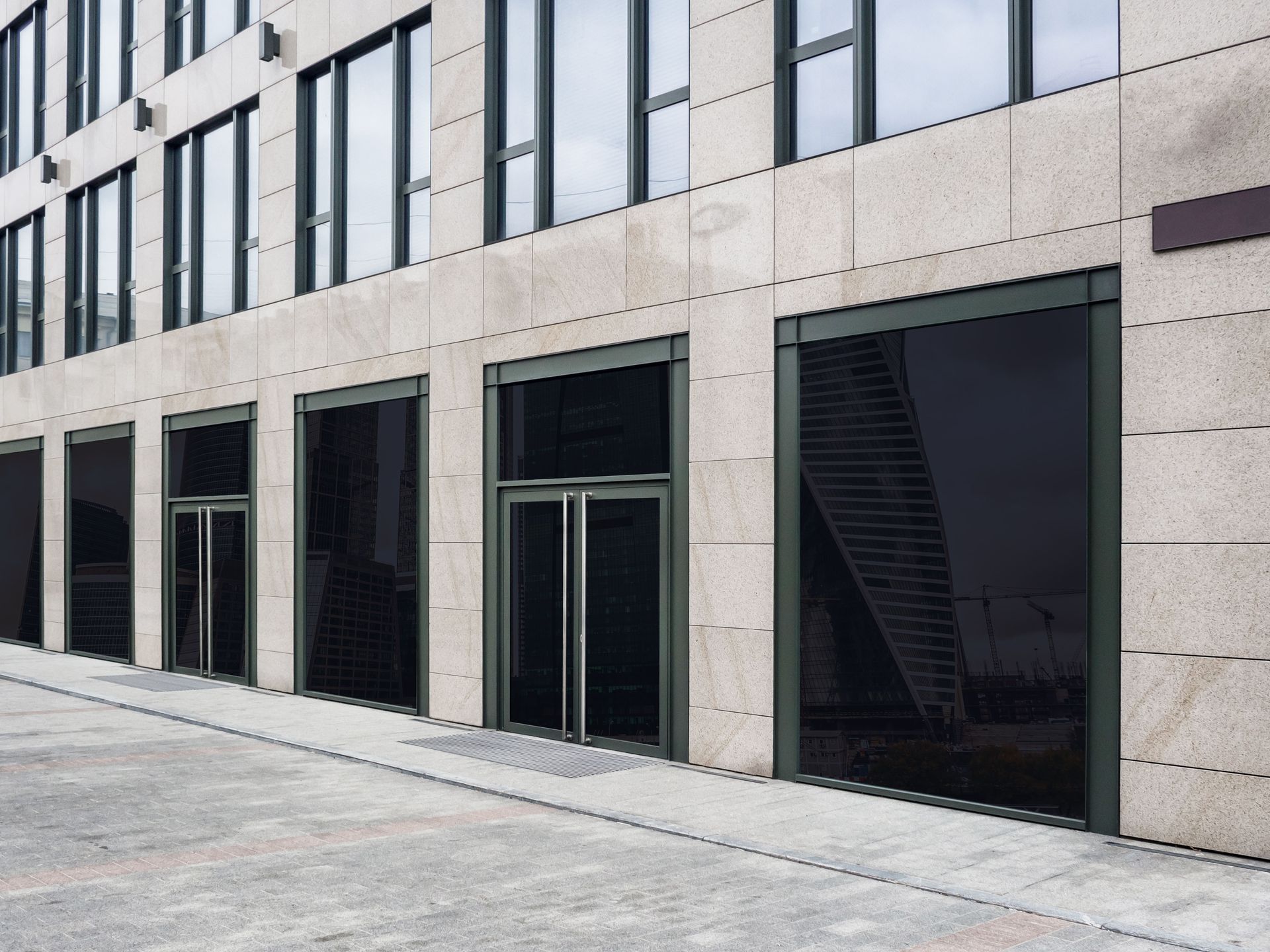
Modern retail environments have evolved to not only become beacons of commerce but also experiential spaces that entice customers. Storefront glass plays a pivotal role in this transformation, serving as both a literal and metaphorical window into a brand’s ethos. As retail spaces compete for customer attention, the strategic use of storefront glass becomes an essential component of contemporary retail architecture.
Importance of Storefront Glass in Retail Design
Enhanced Aesthetic Appeal
Storefront glass significantly heightens the aesthetic appeal of retail spaces by offering a sleek, modern look that resonates with today’s design sensibilities. Glass facades project openness and transparency, enticing passersby and encouraging entry. The clean lines and reflective qualities of storefront glass also create a sense of depth, making retail interiors appear larger and more inviting. This visual impact plays a direct role in shaping first impressions.
Natural Light Maximization
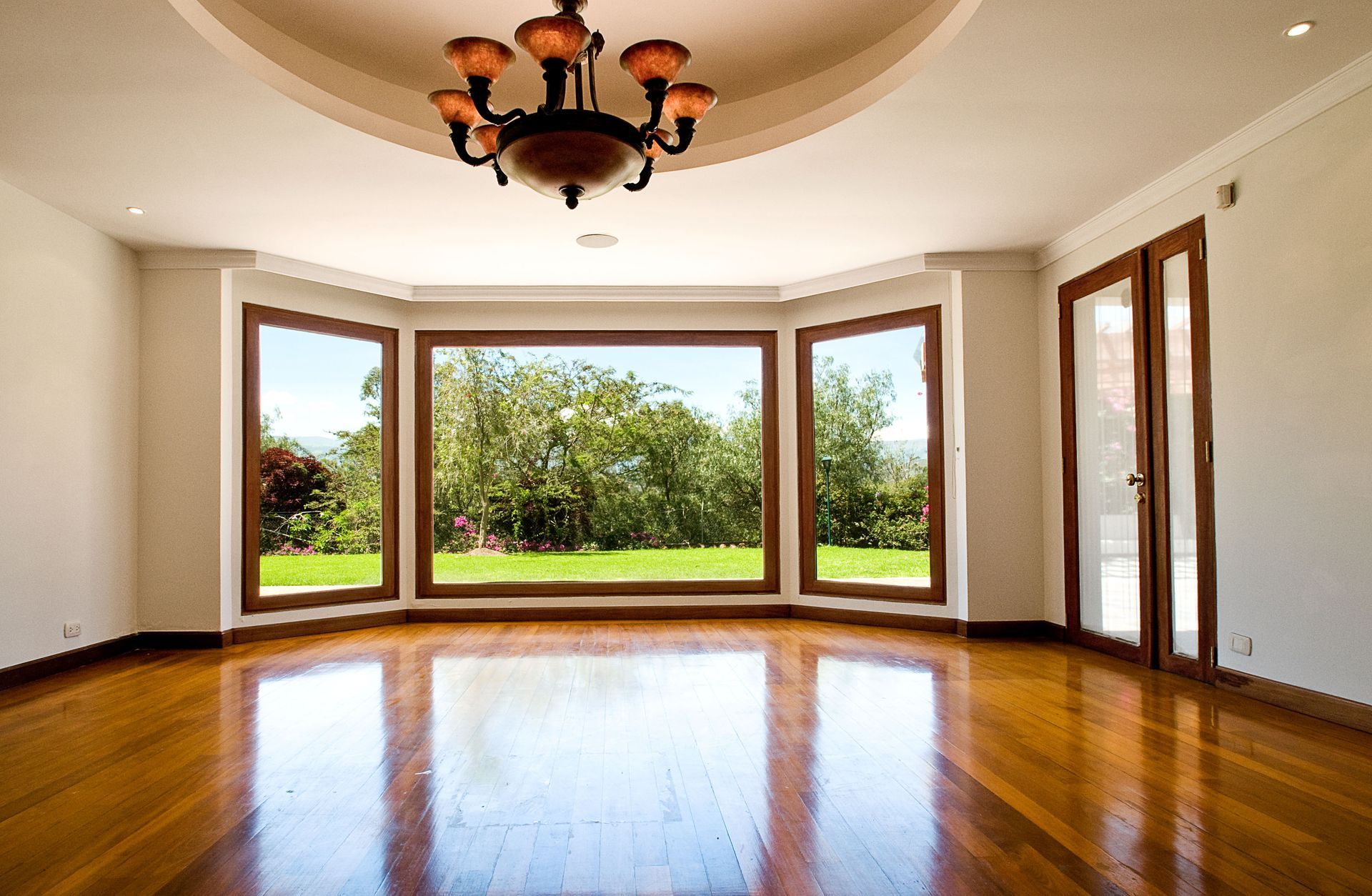
Incorporating storefront glass allows retailers to maximize natural light, creating a bright and welcoming shopping environment. Natural light improves customer mood and encourages longer visits while reducing reliance on artificial lighting. This balance of visibility and comfort supports sustainability goals and lowers long-term operating costs. Well-lit spaces also improve product presentation.
Brand Visibility
Transparent storefront glass enhances brand visibility by showcasing merchandise, displays, and interior design to foot traffic. Strategic use of storefront glass transforms the retail façade into a constant marketing asset. This visibility helps businesses stand out in crowded commercial districts and reinforces brand recognition. Consistent exposure can influence purchasing decisions.
Customer Engagement
Open sightlines created by storefront glass lower the psychological barrier for entry. Customers are more likely to browse when they can clearly see the interior layout and product offerings. Well-lit interiors supported by storefront glass encourage exploration and impulse purchases. These factors contribute directly to higher foot traffic.
Security Considerations
Security is a key factor when selecting storefront glass for retail environments. Impact-rated and laminated storefront glass options help protect against break-ins and accidental damage. Industry data reinforces this shift toward performance-driven solutions. According to Glass Magazine, in 2024, 67% of glass fabricators considered security and impact-rated glass a major trend, while 60% cited energy-efficient glass as a leading demand in the marketplace.
Types of Storefront Glass
Tempered Glass
Tempered storefront glass is heat-treated for increased strength, making it ideal for high-traffic retail locations. When broken, it shatters into small, blunt fragments, reducing injury risks. Its durability supports long-term performance while maintaining a clean, modern appearance. This makes it a common choice for busy storefronts.
Laminated Glass
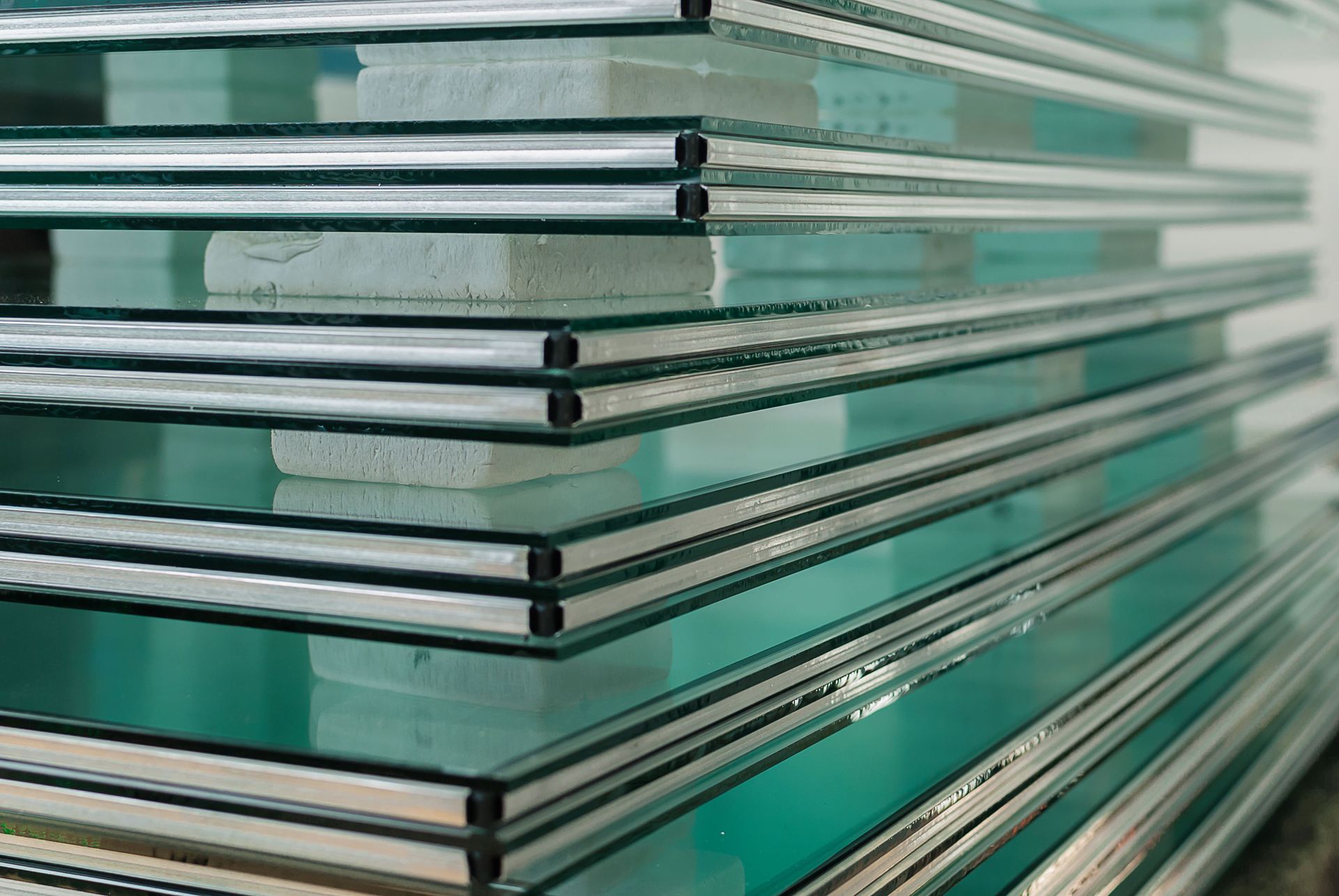
Laminated storefront glass consists of multiple glass layers bonded by an interlayer that holds shards together upon impact. This design enhances security, sound control, and UV protection. Laminated storefront glass is especially effective in urban retail environments with higher exposure to noise and vandalism. It also helps protect interior merchandise.
Insulated Glass Units (IGUs)
Insulated storefront glass units improve thermal efficiency by reducing heat transfer between indoor and outdoor environments. IGUs help maintain consistent indoor temperatures throughout the year. This lowers energy costs and supports customer comfort. Condensation control is another added benefit.
Low-E Glass
Low-emissivity storefront glass features a specialized coating that reflects heat while allowing visible light to pass through. This improves indoor temperature stability without sacrificing clarity. Low-E storefront glass supports energy efficiency goals while maintaining a bright, open appearance. It is well suited for climate-controlled retail spaces.
Smart Glass Technologies
Smart storefront glass technologies allow transparency levels to change on demand. These systems provide flexibility for privacy, glare reduction, and light control. Smart storefront glass supports adaptable retail layouts and evolving display needs. This technology is increasingly used in modern retail design.
Benefits of Modern Storefront Glass
Energy Efficiency
Energy-efficient storefront glass reduces heating and cooling demands by stabilizing interior temperatures. Retailers benefit from lower utility costs and improved indoor comfort. Over time, these savings contribute to a stronger return on investment. Energy performance has become a major purchasing factor.
Sustainability and Environmental Impact
Sustainable storefront glass options reduce the environmental impact of retail buildings. These systems lower energy consumption and support greener construction practices. Retailers that install efficient storefront glass demonstrate environmental responsibility. This can positively influence brand perception.
Improved Customer Experience
Bright interiors supported by storefront glass improve customer comfort and satisfaction. Clear views help shoppers feel more relaxed and confident while browsing. Comfortable environments encourage longer visits and repeat business. This directly supports sales growth.
Versatility and Customization
Storefront glass offers extensive customization options, including tinting, etching, and branding elements. These options allow retailers to align storefront glass with their visual identity. Functional enhancements can also be added for security or energy performance. Customization supports both form and function.
Cost Considerations and Value
Although premium storefront glass may involve higher upfront costs, long-term savings often outweigh the initial investment. Increased durability, energy efficiency, and security reduce future expenses. Quality storefront glass also enhances property value and brand credibility. These benefits contribute to lasting value.
Design Considerations for Storefront Glass
Aesthetic Alignment
Storefront glass should align with the brand’s architectural and visual identity. Coordinated materials and finishes create a cohesive storefront appearance. Design consistency reinforces brand messaging. This alignment strengthens visual impact.
Structural Integration
Proper integration of storefront glass with framing systems is essential for durability. Structural compatibility supports long-term performance and safety. Poor integration can lead to air leakage or stress fractures. Professional coordination prevents these issues.
Functional Needs
Designing storefront glass requires attention to accessibility and building codes. Entry points must accommodate all customers comfortably. Compliance planning helps avoid costly modifications later. Functional design improves operational efficiency.
Color and Opacity Choices
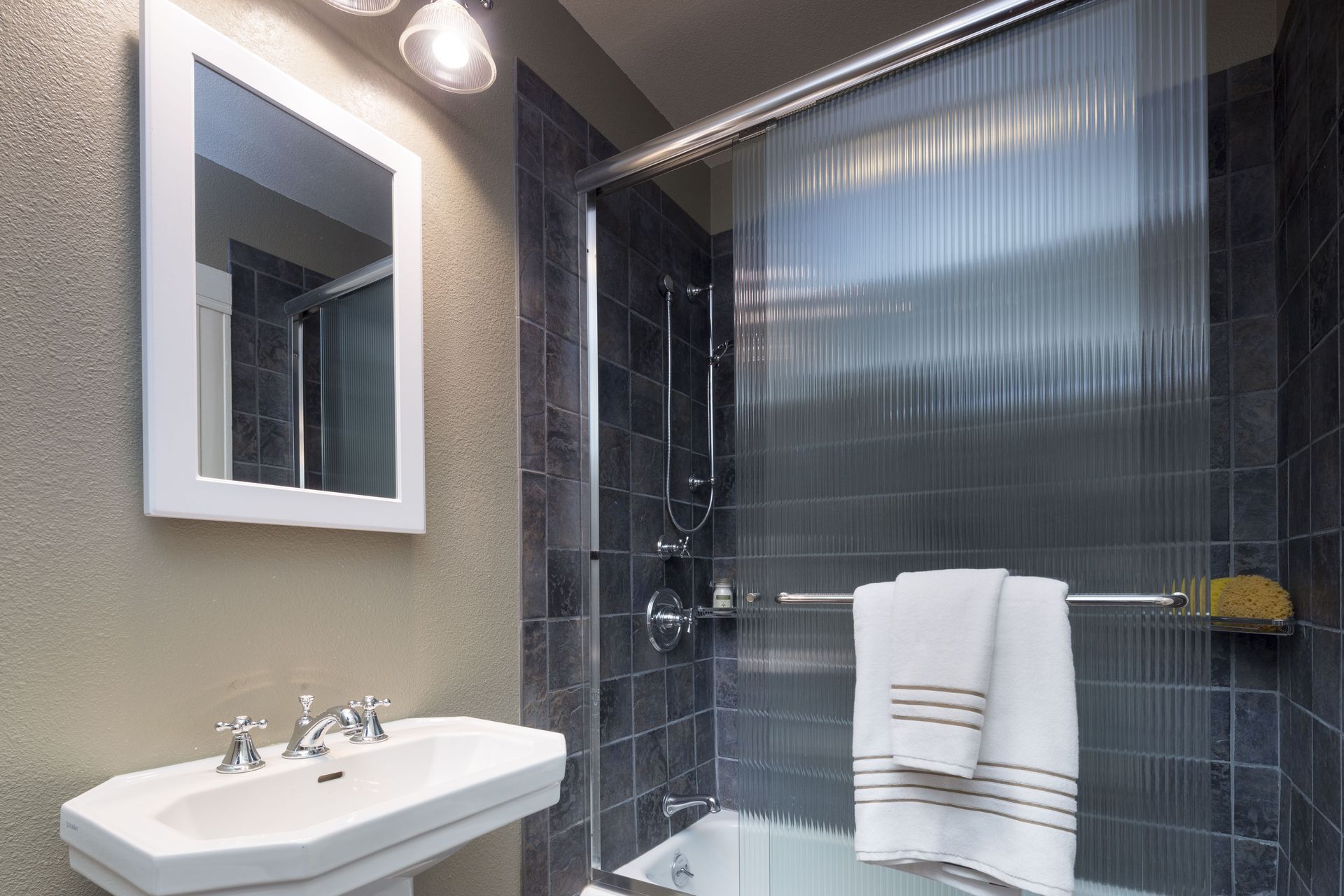
Color and opacity choices influence lighting, privacy, and branding. Clear storefront glass highlights merchandise, while tinted options reduce glare. These decisions affect interior comfort and visual appeal. Balanced choices support usability.
Framing and Support Systems
Framing systems provide essential support for storefront glass installations. Materials like aluminum or steel offer strength and design flexibility. Proper framing minimizes stress on glass panels. This extends system lifespan.
Installation Process of Storefront Glass
Pre-Installation Assessment
A detailed assessment ensures storefront glass measurements and site conditions are accurate. Structural reviews identify potential challenges early. Proper planning reduces delays and material waste. This step sets the foundation for success.
Material Selection and Procurement
Selecting high-quality storefront glass materials is critical to performance. Procurement from reliable suppliers helps maintain consistency. Quality materials improve durability and appearance. This step protects the overall investment.
Installation Techniques
Modern storefront glass installation techniques emphasize precision and alignment. Proper sealing prevents air and water intrusion. Skilled installation supports long-term performance. Technology improves accuracy.
Safety Protocols
Safety protocols protect workers during storefront glass installation. Proper equipment reduces injury risk. Clear procedures maintain jobsite safety. Compliance also protects business liability.
Post-Installation Inspection
Post-installation inspections verify storefront glass quality and alignment. Inspectors review seals, framing, and stability. Early detection of issues prevents future problems. Documentation supports maintenance planning.
When integrated thoughtfully, storefront glass becomes more than a façade; it functions as a strategic asset for modern retail spaces. From improving visibility and natural light to supporting security and energy performance, the right glass solutions influence how customers experience a store from the first glance. Design alignment, proper installation, and ongoing maintenance all play a role in maximizing long-term value.
As retail environments continue to evolve, businesses that invest in high-quality storefront glass position themselves for durability, efficiency, and visual impact. A well-executed glass storefront supports branding, comfort, and operational goals while adapting to changing consumer expectations over time. Contact Espin Glass, LLC today for more information.